.png)
International Conference on Islamic Jurisprudence and Social Justice (ICIJSJ-27)
Official Invitation Letter Available 공식 초청장 제공
An official invitation letter will be provided upon successful registration for your participation in the conference.
학술대회 참가 등록이 정상적으로 완료되면 공식 초청장이 발급됩니다.
Access to All Conference Sessions 전체 세션 참관
Plenary, keynote and parallel sessions.
전체회의, 기조연설 및 분과 세션.
Networking Opportunities 네트워킹 기회
Connect with fellow researchers.
동료 연구자들과의 교류.
Certificate of Participation 참가 증명서
Digital certificate of participation.
디지털 참가 증명서 발급.
Invitation Letter Support 초청장 지원
Official letter after successful registration.
등록 완료 후 공식 초청장 발급.
Conference Kit / Digital Materials 학술대회 자료 / 디지털 자료
E-proceedings & resource materials.
전자 논문집 및 참고 자료.
Access to Keynote Sessions 기조연설 참관
Learn from leading experts & scholars.
저명한 전문가 및 학자들의 강연.
Conference Session Tracks학술대회 세션 트랙
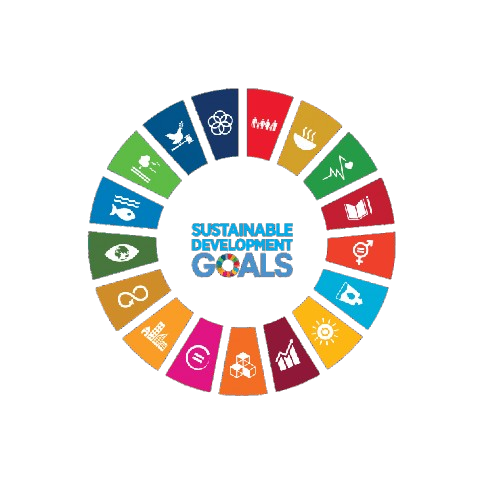
Aligned with UN Sustainable Development Goals 유엔 지속가능발전목표(SDGs)와의 연계
The conference's session tracks effectively support the following SDGs.
본 학술대회의 세션 트랙은 다음의 지속가능발전목표를 효과적으로 지원합니다.

This track explores the fundamental principles and sources of Islamic jurisprudence, including the Quran, Hadith, and consensus. It aims to analyze how these foundations inform contemporary legal practices and interpretations within various Islamic contexts.
This session focuses on the concept of social justice as articulated in Islamic teachings and its implications for modern society. Participants will examine historical and contemporary interpretations of justice and equity in Islamic discourse.
This track investigates the interplay between Islamic ethical frameworks and the universal principles of human rights. Discussions will center on how Islamic teachings can contribute to the global human rights dialogue.
This session addresses the role of Sharia in governance and public policy, particularly in Muslim-majority countries. It will explore the challenges and opportunities of integrating Islamic legal principles into modern state governance.
This track examines the principles of equality and gender rights within Islamic jurisprudence. It will focus on the interpretation of gender roles and rights in light of Islamic texts and contemporary societal needs.
This session explores the relationship between Islamic law and economic justice, including the principles of fair trade, wealth distribution, and social welfare. Participants will analyze how Islamic economic principles can address contemporary economic disparities.
This track focuses on the intersection of Islamic jurisprudence and public policy formulation. It aims to discuss how Islamic legal principles can inform effective governance and policy decisions in diverse socio-political environments.
This session highlights the contributions of Islamic studies to the discourse on social justice. Participants will explore how academic research and scholarship can foster a deeper understanding of justice within Islamic frameworks.
This track encourages dialogue between Islamic jurisprudence and other religious legal systems regarding concepts of justice and law. It aims to identify common ground and divergent views on ethical governance.
This session examines the dynamics of legal reforms within Islamic frameworks and their impact on social change. Discussions will focus on case studies that illustrate successful reforms and the challenges faced in various contexts.
This track delves into the ethical dimensions of governance in Islamic societies, emphasizing accountability, transparency, and justice. It aims to foster discussions on how ethical governance can enhance social justice and public trust.
COPYRIGHT © KSAA. ALL RIGHTS RESERVED 저작권 © KSAA. 모든 권리 보유.