.png)
International Conference on Sociolinguistics and Language Policy (ICSLLP-27)
Official Invitation Letter Available 공식 초청장 제공
An official invitation letter will be provided upon successful registration for your participation in the conference.
학술대회 참가 등록이 정상적으로 완료되면 공식 초청장이 발급됩니다.
Access to All Conference Sessions 전체 세션 참관
Plenary, keynote and parallel sessions.
전체회의, 기조연설 및 분과 세션.
Networking Opportunities 네트워킹 기회
Connect with fellow researchers.
동료 연구자들과의 교류.
Certificate of Participation 참가 증명서
Digital certificate of participation.
디지털 참가 증명서 발급.
Invitation Letter Support 초청장 지원
Official letter after successful registration.
등록 완료 후 공식 초청장 발급.
Conference Kit / Digital Materials 학술대회 자료 / 디지털 자료
E-proceedings & resource materials.
전자 논문집 및 참고 자료.
Access to Keynote Sessions 기조연설 참관
Learn from leading experts & scholars.
저명한 전문가 및 학자들의 강연.
Conference Session Tracks학술대회 세션 트랙
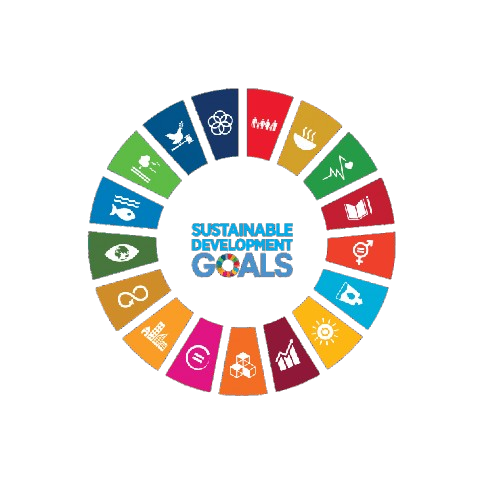
Aligned with UN Sustainable Development Goals 유엔 지속가능발전목표(SDGs)와의 연계
The conference's session tracks effectively support the following SDGs.
본 학술대회의 세션 트랙은 다음의 지속가능발전목표를 효과적으로 지원합니다.

This track explores the intersection of sociolinguistics and language policy, focusing on how language use influences policy decisions. It aims to analyze the implications of language policies on social structures and community identities.
This session examines the phenomenon of multilingualism in various global settings, highlighting its social, cultural, and political dimensions. Contributions will address the challenges and opportunities presented by multilingual societies.
This track investigates the processes and outcomes of language planning initiatives across different regions. Papers will discuss the effectiveness of these initiatives in promoting linguistic diversity and social cohesion.
This session focuses on the role of language ideologies in shaping individual and collective identities. It seeks to understand how beliefs about language influence social interactions and cultural affiliations.
This track delves into the complexities of bilingualism, examining its effects on social integration and community dynamics. Presentations will explore both the cognitive and sociocultural aspects of bilingual experiences.
This session addresses the critical issue of language rights within the framework of social justice. It will highlight case studies and theoretical discussions on the rights of linguistic minorities and the implications for policy-making.
This track investigates the relationship between discourse and power in the context of language politics. Papers will analyze how language is used as a tool for negotiation and resistance in various sociopolitical landscapes.
This session focuses on the significance of minority languages in maintaining cultural heritage and social identity. Contributions will explore the challenges faced by minority languages in a globalized world.
This track examines the phenomenon of Global English, considering its impact on local languages and cultures. Discussions will include the implications of English as a global lingua franca on linguistic diversity.
This session explores the intersection of language education policy and pedagogical practices. Contributions will focus on innovative approaches to language teaching that promote inclusivity and respect for linguistic diversity.
This track investigates the processes of language standardization and their effects on cultural identity and expression. Papers will discuss the tension between standardization and the preservation of linguistic diversity.
COPYRIGHT © KSAA. ALL RIGHTS RESERVED 저작권 © KSAA. 모든 권리 보유.