.png)
International Conference on Ocean Deoxygenation and Marine Species Adaptation (ICODMSA-27)
Official Invitation Letter Available 공식 초청장 제공
An official invitation letter will be provided upon successful registration for your participation in the conference.
학술대회 참가 등록이 정상적으로 완료되면 공식 초청장이 발급됩니다.
Access to All Conference Sessions 전체 세션 참관
Plenary, keynote and parallel sessions.
전체회의, 기조연설 및 분과 세션.
Networking Opportunities 네트워킹 기회
Connect with fellow researchers.
동료 연구자들과의 교류.
Certificate of Participation 참가 증명서
Digital certificate of participation.
디지털 참가 증명서 발급.
Invitation Letter Support 초청장 지원
Official letter after successful registration.
등록 완료 후 공식 초청장 발급.
Conference Kit / Digital Materials 학술대회 자료 / 디지털 자료
E-proceedings & resource materials.
전자 논문집 및 참고 자료.
Access to Keynote Sessions 기조연설 참관
Learn from leading experts & scholars.
저명한 전문가 및 학자들의 강연.
Conference Session Tracks학술대회 세션 트랙
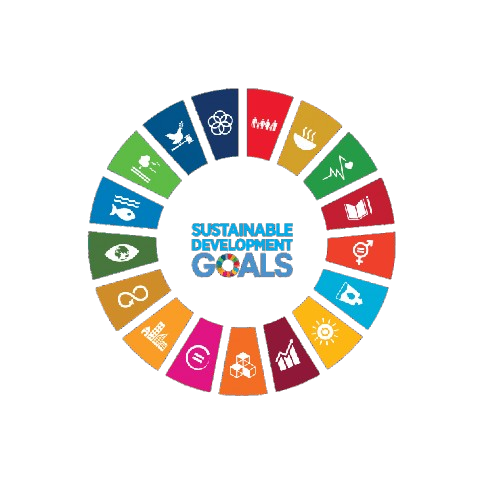
Aligned with UN Sustainable Development Goals 유엔 지속가능발전목표(SDGs)와의 연계
The conference's session tracks effectively support the following SDGs.
본 학술대회의 세션 트랙은 다음의 지속가능발전목표를 효과적으로 지원합니다.
This session will explore the underlying mechanisms driving ocean deoxygenation, including biogeochemical cycles and anthropogenic influences. Emphasis will be placed on the interactions between physical and chemical processes that contribute to hypoxic conditions.
This track will investigate the effects of hypoxic environments on marine species diversity and ecosystem dynamics. Presentations will focus on case studies highlighting shifts in species composition and community structure in oxygen-depleted zones.
This session will discuss the adaptive responses of marine organisms to changing oxygen levels and environmental stressors. Research will cover physiological, behavioral, and ecological adaptations that enhance resilience in hypoxic conditions.
This track will address methodologies for assessing ecosystem health in the context of ocean deoxygenation. It will highlight innovative monitoring techniques and indicators that can effectively measure the impacts of hypoxia on marine ecosystems.
This session will examine the interplay between climate change and ocean chemistry, focusing on how rising temperatures and CO2 levels influence oxygen solubility and distribution. Discussions will include implications for marine life and ecosystem stability.
This track will delve into the formation and dynamics of oxygen minimum zones (OMZs) and their ecological implications. Presentations will cover the spatial and temporal variability of OMZs and their effects on marine biota.
This session will focus on the interactions between species in hypoxic environments, including competition, predation, and symbiosis. Research will highlight how these interactions are altered by reduced oxygen availability.
This track will present advanced modeling approaches to predict the impacts of ocean deoxygenation on marine ecosystems. Emphasis will be placed on integrating biophysical models with ecological data to assess future scenarios.
This session will explore conservation strategies aimed at mitigating the effects of hypoxia on marine ecosystems. Discussions will include policy frameworks, management practices, and community engagement in conservation efforts.
This track will investigate the physiological responses of marine organisms to hypoxic stress. Research will focus on metabolic adaptations, stress tolerance mechanisms, and the implications for survival and reproduction.
This session will highlight emerging trends and future directions in oceanographic research related to deoxygenation and species adaptation. It will encourage interdisciplinary collaboration and innovative approaches to address the challenges posed by environmental change.
COPYRIGHT © KSAA. ALL RIGHTS RESERVED 저작권 © KSAA. 모든 권리 보유.