.png)
International Conference on Prehospital and Disaster Medicine, Crises Management and Disaster (ICPDMCMD-27)
Official Invitation Letter Available 공식 초청장 제공
An official invitation letter will be provided upon successful registration for your participation in the conference.
학술대회 참가 등록이 정상적으로 완료되면 공식 초청장이 발급됩니다.
Access to All Conference Sessions 전체 세션 참관
Plenary, keynote and parallel sessions.
전체회의, 기조연설 및 분과 세션.
Networking Opportunities 네트워킹 기회
Connect with fellow researchers.
동료 연구자들과의 교류.
Certificate of Participation 참가 증명서
Digital certificate of participation.
디지털 참가 증명서 발급.
Invitation Letter Support 초청장 지원
Official letter after successful registration.
등록 완료 후 공식 초청장 발급.
Conference Kit / Digital Materials 학술대회 자료 / 디지털 자료
E-proceedings & resource materials.
전자 논문집 및 참고 자료.
Access to Keynote Sessions 기조연설 참관
Learn from leading experts & scholars.
저명한 전문가 및 학자들의 강연.
Conference Session Tracks학술대회 세션 트랙
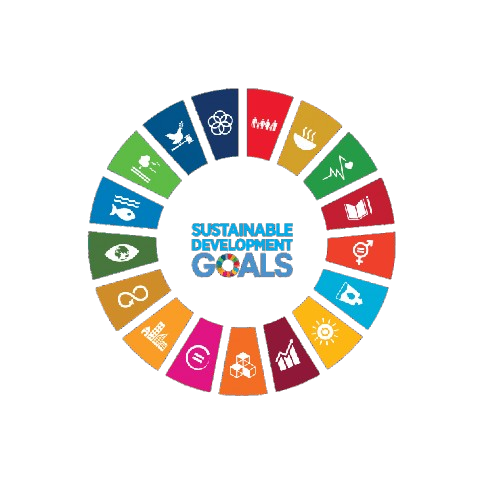
Aligned with UN Sustainable Development Goals 유엔 지속가능발전목표(SDGs)와의 연계
The conference's session tracks effectively support the following SDGs.
본 학술대회의 세션 트랙은 다음의 지속가능발전목표를 효과적으로 지원합니다.
This track focuses on advancements in prehospital medical practices and technologies that enhance patient outcomes during major incidents. It aims to explore the integration of new tools and methodologies in emergency medical services.
This session will examine effective strategies for managing disasters, emphasizing the importance of preparedness and response planning. Discussions will include case studies highlighting successful disaster management frameworks.
This track addresses the role of public health in managing crises, including the assessment and mitigation of health risks during disasters. It will explore collaborative approaches among health agencies and community organizations.
This session will delve into the psychological and social effects of disasters on affected populations. It aims to highlight interventions that support mental health and community resilience.
This track focuses on the unique challenges faced by vulnerable populations during disasters, including children, the elderly, and individuals with disabilities. It will discuss tailored approaches to ensure equitable access to resources and support.
This session will explore sustainable practices in disaster response and recovery, emphasizing environmental considerations and resource management. Participants will discuss strategies for integrating sustainability into crisis management.
This track examines the critical contributions of non-governmental organizations in disaster relief and recovery efforts. It will highlight collaborative models and best practices for effective NGO involvement.
This session will address the complexities of civil-military coordination during disaster response operations. Discussions will focus on enhancing collaboration and communication between military and civilian agencies.
This track will investigate the decision-making processes that underpin effective crisis management. It will explore frameworks and tools that aid leaders in making timely and informed decisions during emergencies.
This session will explore the qualities and skills necessary for effective leadership in disaster scenarios. It will highlight case studies of successful leaders who have navigated complex crises.
This track focuses on the importance of communication during crises, including strategies for disseminating information to the public and stakeholders. It will examine the role of media and technology in crisis communication.
COPYRIGHT © KSAA. ALL RIGHTS RESERVED 저작권 © KSAA. 모든 권리 보유.