.png)
International Conference on Yeast Genetics and Biology (ICYGB-27)
Official Invitation Letter Available 공식 초청장 제공
An official invitation letter will be provided upon successful registration for your participation in the conference.
학술대회 참가 등록이 정상적으로 완료되면 공식 초청장이 발급됩니다.
Access to All Conference Sessions 전체 세션 참관
Plenary, keynote and parallel sessions.
전체회의, 기조연설 및 분과 세션.
Networking Opportunities 네트워킹 기회
Connect with fellow researchers.
동료 연구자들과의 교류.
Certificate of Participation 참가 증명서
Digital certificate of participation.
디지털 참가 증명서 발급.
Invitation Letter Support 초청장 지원
Official letter after successful registration.
등록 완료 후 공식 초청장 발급.
Conference Kit / Digital Materials 학술대회 자료 / 디지털 자료
E-proceedings & resource materials.
전자 논문집 및 참고 자료.
Access to Keynote Sessions 기조연설 참관
Learn from leading experts & scholars.
저명한 전문가 및 학자들의 강연.
Conference Session Tracks학술대회 세션 트랙
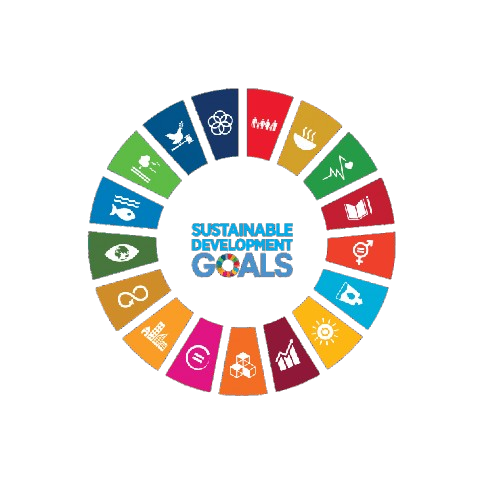
Aligned with UN Sustainable Development Goals 유엔 지속가능발전목표(SDGs)와의 연계
The conference's session tracks effectively support the following SDGs.
본 학술대회의 세션 트랙은 다음의 지속가능발전목표를 효과적으로 지원합니다.


This track will explore the mechanisms underlying gene expression regulation in yeast, focusing on transcriptional and post-transcriptional processes. Discussions will include the role of various regulatory elements and their implications for yeast biology.
This session will delve into the intricacies of RNA processing in yeast, including splicing, capping, and polyadenylation. The impact of these processes on gene expression and cellular function will be highlighted.
This track will emphasize systems biology methodologies applied to yeast, integrating genomics, proteomics, and metabolomics. Participants will discuss how these approaches enhance our understanding of yeast as a model organism.
This session will investigate the relationship between telomere biology, cellular senescence, and programmed cell death in yeast. The implications for ageing research and potential applications in biomedicine will be considered.
This track will focus on the applications of yeast in industrial biotechnology, including fermentation processes and biofuel production. Innovations in metabolic engineering and strain development will be discussed.
This session will explore the use of yeast as a model organism for studying human diseases and drug testing. Participants will share insights on the relevance of yeast models in understanding disease mechanisms and therapeutic strategies.
This track will examine the role of yeast in nutritional research, focusing on its use in studying dietary components and their effects on health. The potential for yeast to serve as a bioindicator for nutritional studies will be discussed.
This session will highlight comparative and evolutionary studies of yeast species, shedding light on genetic diversity and evolutionary adaptations. Discussions will include phylogenetic analyses and their implications for yeast biology.
This track will cover advanced techniques in yeast genetics and molecular biology, including CRISPR/Cas9 and gene editing technologies. Participants will discuss their applications in functional genomics and synthetic biology.
This session will focus on the interactions between yeast pathogens and their hosts, exploring mechanisms of infection and host defense. The implications for understanding pathogenicity and developing treatments will be addressed.
This track will investigate the roles of prions and heat shock proteins in yeast, focusing on their contributions to protein homeostasis and cellular stress responses. The potential implications for understanding neurodegenerative diseases will be discussed.
COPYRIGHT © KSAA. ALL RIGHTS RESERVED 저작권 © KSAA. 모든 권리 보유.