.png)
International Conference on Ethnographic Research in Applied Linguistics Language Teaching and Learning (ICERALLTL-27)
Official Invitation Letter Available 공식 초청장 제공
An official invitation letter will be provided upon successful registration for your participation in the conference.
학술대회 참가 등록이 정상적으로 완료되면 공식 초청장이 발급됩니다.
Access to All Conference Sessions 전체 세션 참관
Plenary, keynote and parallel sessions.
전체회의, 기조연설 및 분과 세션.
Networking Opportunities 네트워킹 기회
Connect with fellow researchers.
동료 연구자들과의 교류.
Certificate of Participation 참가 증명서
Digital certificate of participation.
디지털 참가 증명서 발급.
Invitation Letter Support 초청장 지원
Official letter after successful registration.
등록 완료 후 공식 초청장 발급.
Conference Kit / Digital Materials 학술대회 자료 / 디지털 자료
E-proceedings & resource materials.
전자 논문집 및 참고 자료.
Access to Keynote Sessions 기조연설 참관
Learn from leading experts & scholars.
저명한 전문가 및 학자들의 강연.
Conference Session Tracks학술대회 세션 트랙
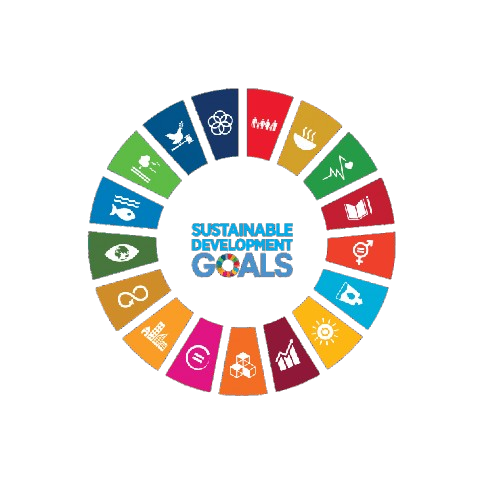
Aligned with UN Sustainable Development Goals 유엔 지속가능발전목표(SDGs)와의 연계
The conference's session tracks effectively support the following SDGs.
본 학술대회의 세션 트랙은 다음의 지속가능발전목표를 효과적으로 지원합니다.

This track explores contemporary approaches and methodologies in language teaching, emphasizing innovative practices that enhance learner engagement. Contributions may include case studies, theoretical frameworks, and empirical research on effective language instruction.
This session focuses on the intersection of cognitive linguistics and language acquisition, examining how cognitive processes influence the learning of languages. Papers may address theoretical perspectives, experimental studies, and implications for teaching.
This track invites research on discourse analysis as a tool for understanding communication in educational settings. Contributions may investigate classroom interactions, teacher-student dialogues, and the role of discourse in shaping learning outcomes.
This session examines the relationship between critical discourse analysis and language ideology, focusing on how language reflects and constructs social power dynamics. Papers may explore case studies from diverse sociolinguistic contexts.
This track addresses the role of intercultural communication in language learning, highlighting the importance of cultural awareness in language education. Contributions may include theoretical discussions, empirical research, and practical applications.
This session explores the application of functional grammar in language teaching, emphasizing its relevance for understanding language use in context. Papers may present innovative teaching strategies and their impact on language proficiency.
This track focuses on the contributions of linguistic anthropology and ethnographic research to our understanding of language in social contexts. Contributions may include field studies, theoretical explorations, and discussions on methodology.
This session examines the impact of language policy on educational practices and outcomes in multilingual settings. Papers may analyze policy frameworks, implementation challenges, and their effects on language teaching and learning.
This track explores advancements in deep language processing and their implications for quality machine translation. Contributions may include technical innovations, applications in language education, and discussions on ethical considerations.
This session investigates the processes of language socialization across different cultural and social contexts. Papers may explore how language learning occurs within communities and the role of social interactions in language development.
This track focuses on the relationship between linguistic features and language learning outcomes, examining how specific linguistic elements influence proficiency. Contributions may include empirical studies and theoretical analyses of linguistic attributes.
COPYRIGHT © KSAA. ALL RIGHTS RESERVED 저작권 © KSAA. 모든 권리 보유.