.png)
International Conference on Stem Cell Biology and Regenerative Therapies (ICSCBRT-27)
Official Invitation Letter Available 공식 초청장 제공
An official invitation letter will be provided upon successful registration for your participation in the conference.
학술대회 참가 등록이 정상적으로 완료되면 공식 초청장이 발급됩니다.
Access to All Conference Sessions 전체 세션 참관
Plenary, keynote and parallel sessions.
전체회의, 기조연설 및 분과 세션.
Networking Opportunities 네트워킹 기회
Connect with fellow researchers.
동료 연구자들과의 교류.
Certificate of Participation 참가 증명서
Digital certificate of participation.
디지털 참가 증명서 발급.
Invitation Letter Support 초청장 지원
Official letter after successful registration.
등록 완료 후 공식 초청장 발급.
Conference Kit / Digital Materials 학술대회 자료 / 디지털 자료
E-proceedings & resource materials.
전자 논문집 및 참고 자료.
Access to Keynote Sessions 기조연설 참관
Learn from leading experts & scholars.
저명한 전문가 및 학자들의 강연.
Conference Session Tracks학술대회 세션 트랙
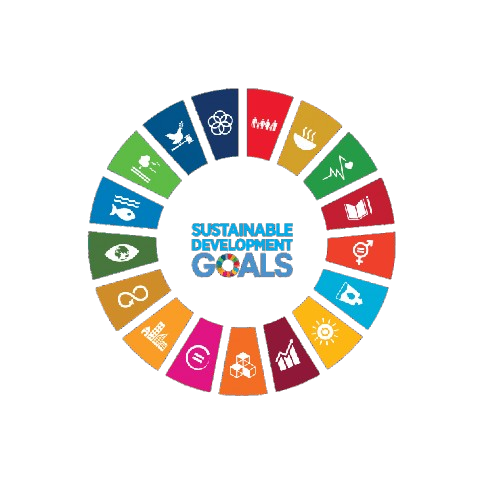
Aligned with UN Sustainable Development Goals 유엔 지속가능발전목표(SDGs)와의 연계
The conference's session tracks effectively support the following SDGs.
본 학술대회의 세션 트랙은 다음의 지속가능발전목표를 효과적으로 지원합니다.

This track focuses on the latest discoveries in pluripotent stem cell biology, including their potential for differentiation and therapeutic applications. Researchers will present novel techniques for enhancing pluripotency and understanding the underlying molecular mechanisms.
This session will explore cutting-edge regenerative therapies that utilize stem cells for tissue repair and regeneration. Discussions will include clinical applications, efficacy, and the challenges faced in translating these therapies from bench to bedside.
This track will delve into the integration of stem cells within tissue engineering frameworks, highlighting strategies for creating functional tissues. Presentations will cover biomaterials, scaffolding techniques, and the role of stem cell niches in tissue development.
This session will focus on advancements in cellular reprogramming techniques, including induced pluripotent stem cells (iPSCs). Researchers will discuss the implications of reprogramming for disease modeling, drug discovery, and regenerative medicine.
This track will examine the use of organoids as models for studying stem cell differentiation and disease pathology. Presentations will highlight their applications in drug testing, personalized medicine, and understanding complex biological systems.
This session will investigate the role of stem cell niches in maintaining stem cell properties and regulating differentiation. Researchers will present findings on how microenvironmental factors influence stem cell fate and function.
This track will focus on the molecular signaling pathways that govern stem cell behavior, including self-renewal and differentiation. Presentations will explore how these pathways can be targeted for therapeutic interventions.
This session will cover the identification and characterization of stem cell markers that are crucial for understanding stem cell identity and function. Researchers will discuss novel methodologies for isolating and analyzing stem cell populations.
This track will explore the application of gene editing technologies, such as CRISPR/Cas9, in stem cell research. Discussions will focus on their potential for correcting genetic disorders and enhancing stem cell therapies.
This session will highlight the current state of stem cell therapies in clinical settings, including challenges and successes. Researchers will share case studies and insights into regulatory considerations for stem cell-based treatments.
This track will provide a forward-looking perspective on the future of stem cell research and regenerative medicine. Experts will discuss emerging trends, potential breakthroughs, and the ethical considerations that accompany advancements in the field.
COPYRIGHT © KSAA. ALL RIGHTS RESERVED 저작권 © KSAA. 모든 권리 보유.