.png)
International Conference on Memory and Post-War Reconstruction (ICMPWR-27)
Official Invitation Letter Available 공식 초청장 제공
An official invitation letter will be provided upon successful registration for your participation in the conference.
학술대회 참가 등록이 정상적으로 완료되면 공식 초청장이 발급됩니다.
Access to All Conference Sessions 전체 세션 참관
Plenary, keynote and parallel sessions.
전체회의, 기조연설 및 분과 세션.
Networking Opportunities 네트워킹 기회
Connect with fellow researchers.
동료 연구자들과의 교류.
Certificate of Participation 참가 증명서
Digital certificate of participation.
디지털 참가 증명서 발급.
Invitation Letter Support 초청장 지원
Official letter after successful registration.
등록 완료 후 공식 초청장 발급.
Conference Kit / Digital Materials 학술대회 자료 / 디지털 자료
E-proceedings & resource materials.
전자 논문집 및 참고 자료.
Access to Keynote Sessions 기조연설 참관
Learn from leading experts & scholars.
저명한 전문가 및 학자들의 강연.
Conference Session Tracks학술대회 세션 트랙
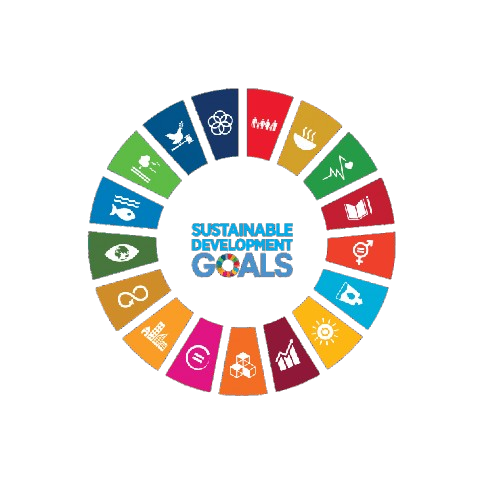
Aligned with UN Sustainable Development Goals 유엔 지속가능발전목표(SDGs)와의 연계
The conference's session tracks effectively support the following SDGs.
본 학술대회의 세션 트랙은 다음의 지속가능발전목표를 효과적으로 지원합니다.
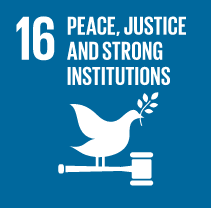
This track explores the interplay between cultural memory and identity politics in post-war contexts. It aims to analyze how collective memories shape national identities and influence political discourse in transitional societies.
This session focuses on the role of heritage restoration in fostering peace and reconciliation in post-conflict environments. Participants will examine case studies where cultural heritage initiatives have contributed to community rebuilding and social cohesion.
This track investigates the relationship between transitional justice mechanisms and collective memory practices. It seeks to understand how justice initiatives can shape public memory and contribute to healing in post-war societies.
This session invites contributions that offer global perspectives on the role of memory in conflict resolution processes. It aims to highlight diverse approaches to memory work in various cultural and political contexts.
This track examines the intersection of historical memory and policy-making in post-war reconstruction efforts. It aims to analyze how historical narratives influence contemporary policies and governance in affected regions.
This session explores the implications of memory practices for social justice in post-war contexts. Participants will discuss how collective memories can inform movements for equity and justice in rebuilding efforts.
This track focuses on the role of memory practices in the process of community rebuilding after conflict. It aims to explore how communities utilize memory to foster resilience and solidarity in post-war environments.
This session engages with critical theory to interrogate the complexities of memory in post-war reconstruction. It seeks to challenge dominant narratives and explore alternative understandings of memory and its implications.
This track analyzes the significance of cultural narratives in shaping the post-war reconstruction landscape. Participants will explore how storytelling and memory influence community identity and resilience.
This session investigates the role of memory in political reconciliation processes following conflict. It aims to understand how shared memories can facilitate dialogue and foster trust among divided communities.
This track presents global case studies that illustrate the relationship between memory and heritage in post-war contexts. Participants will share insights on best practices and lessons learned from various international experiences.
COPYRIGHT © KSAA. ALL RIGHTS RESERVED 저작권 © KSAA. 모든 권리 보유.