.png)
International Conference on Aquaculture Production Technology (ICAPT-27)
Official Invitation Letter Available 공식 초청장 제공
An official invitation letter will be provided upon successful registration for your participation in the conference.
학술대회 참가 등록이 정상적으로 완료되면 공식 초청장이 발급됩니다.
Access to All Conference Sessions 전체 세션 참관
Plenary, keynote and parallel sessions.
전체회의, 기조연설 및 분과 세션.
Networking Opportunities 네트워킹 기회
Connect with fellow researchers.
동료 연구자들과의 교류.
Certificate of Participation 참가 증명서
Digital certificate of participation.
디지털 참가 증명서 발급.
Invitation Letter Support 초청장 지원
Official letter after successful registration.
등록 완료 후 공식 초청장 발급.
Conference Kit / Digital Materials 학술대회 자료 / 디지털 자료
E-proceedings & resource materials.
전자 논문집 및 참고 자료.
Access to Keynote Sessions 기조연설 참관
Learn from leading experts & scholars.
저명한 전문가 및 학자들의 강연.
Conference Session Tracks학술대회 세션 트랙
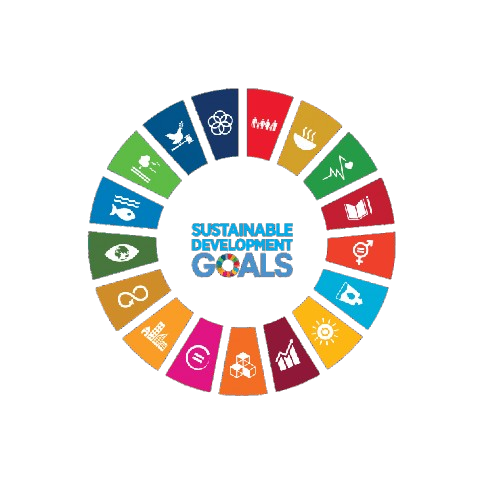
Aligned with UN Sustainable Development Goals 유엔 지속가능발전목표(SDGs)와의 연계
The conference's session tracks effectively support the following SDGs.
본 학술대회의 세션 트랙은 다음의 지속가능발전목표를 효과적으로 지원합니다.



This track focuses on the latest advancements in aquaculture technology, including recirculating aquaculture systems and integrated multi-trophic aquaculture. Participants will explore how these innovations can enhance production efficiency and sustainability.
This session addresses strategies for sustainable fisheries management, emphasizing the balance between ecological health and economic viability. Discussions will include stock assessment methodologies and community-based management practices.
This track examines the impact of oceanographic conditions on aquaculture production, including temperature, salinity, and nutrient dynamics. Participants will analyze how these factors affect species growth and health.
This session focuses on innovative waste management practices in aquaculture, including nutrient recycling and waste minimization techniques. The goal is to promote environmental sustainability while maintaining production efficiency.
This track explores the effects of climate change on aquaculture systems and the adaptive strategies that can enhance resilience. Topics will include species selection, habitat restoration, and risk management.
This session delves into the role of genetic improvement in enhancing aquaculture species for better growth rates, disease resistance, and environmental adaptability. Participants will discuss breeding techniques and biotechnological advancements.
This track investigates the relationship between aquaculture practices and ecosystem services, highlighting the benefits and challenges of integrating aquaculture into coastal and marine ecosystems. Discussions will focus on biodiversity, habitat conservation, and ecosystem health.
This session examines the complexities of the aquaculture supply chain, including production, processing, and distribution. Participants will analyze market trends, consumer preferences, and economic impacts on the industry.
This track addresses the critical aspects of health management in aquaculture, focusing on disease prevention, biosecurity measures, and vaccination strategies. Participants will share insights on maintaining fish health and welfare.
This session highlights the role of technology in fisheries monitoring, including remote sensing, data analytics, and artificial intelligence. Discussions will focus on improving data accuracy and decision-making processes in fisheries management.
This track explores the regulatory frameworks governing aquaculture practices, including environmental policies and trade regulations. Participants will discuss the implications of these policies on industry sustainability and growth.
COPYRIGHT © KSAA. ALL RIGHTS RESERVED 저작권 © KSAA. 모든 권리 보유.