.png)
International Conference on Pandemic Preparedness, Public Health and Epidemiology (ICPPPHE-27)
Official Invitation Letter Available 공식 초청장 제공
An official invitation letter will be provided upon successful registration for your participation in the conference.
학술대회 참가 등록이 정상적으로 완료되면 공식 초청장이 발급됩니다.
Access to All Conference Sessions 전체 세션 참관
Plenary, keynote and parallel sessions.
전체회의, 기조연설 및 분과 세션.
Networking Opportunities 네트워킹 기회
Connect with fellow researchers.
동료 연구자들과의 교류.
Certificate of Participation 참가 증명서
Digital certificate of participation.
디지털 참가 증명서 발급.
Invitation Letter Support 초청장 지원
Official letter after successful registration.
등록 완료 후 공식 초청장 발급.
Conference Kit / Digital Materials 학술대회 자료 / 디지털 자료
E-proceedings & resource materials.
전자 논문집 및 참고 자료.
Access to Keynote Sessions 기조연설 참관
Learn from leading experts & scholars.
저명한 전문가 및 학자들의 강연.
Conference Session Tracks학술대회 세션 트랙
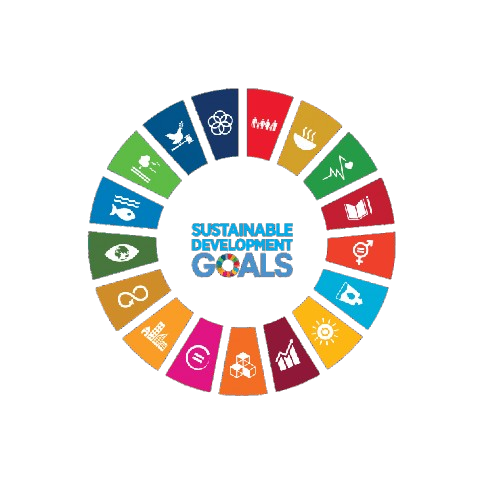
Aligned with UN Sustainable Development Goals 유엔 지속가능발전목표(SDGs)와의 연계
The conference's session tracks effectively support the following SDGs.
본 학술대회의 세션 트랙은 다음의 지속가능발전목표를 효과적으로 지원합니다.
This track focuses on novel approaches to enhance readiness for future pandemics, emphasizing the integration of technology and public health frameworks. Participants will explore case studies and best practices that demonstrate effective preparedness strategies.
This session will delve into the application of advanced epidemiological models in understanding disease transmission and control measures. Researchers will present findings on model efficacy and their implications for public health interventions.
This track highlights the role of preventive medicine in reducing disease incidence and promoting health at the community level. Discussions will center on effective health promotion strategies and their impact on population health outcomes.
This session addresses the complexities of managing infectious diseases on a global scale, focusing on the interplay between health systems and international collaboration. Experts will share insights on overcoming barriers to effective disease control.
This track examines the intersection of chronic disease management and public health initiatives aimed at improving population health. Participants will discuss innovative approaches to integrating chronic disease care within public health frameworks.
This session will explore the role of healthcare systems and policy in shaping responses to public health crises. Presentations will focus on policy innovations that enhance resilience and equity in healthcare delivery.
This track emphasizes the importance of biostatistics in designing and analyzing public health research studies. Participants will discuss statistical methodologies that enhance the validity and reliability of health data.
This session will investigate the relationship between environmental factors and public health outcomes, particularly in the context of vulnerable populations. Researchers will present findings on interventions aimed at mitigating environmental health risks.
This track focuses on the application of epidemiological methods to evaluate the effectiveness of health interventions. Participants will share methodologies and results from studies assessing intervention impacts on health outcomes.
This session addresses the critical issue of healthcare equity, exploring barriers to access and strategies to promote health equity in diverse populations. Discussions will highlight successful initiatives aimed at reducing disparities in healthcare.
This track emphasizes the importance of community health initiatives in enhancing patient safety and overall health outcomes. Participants will discuss collaborative approaches to fostering safe healthcare environments within communities.
COPYRIGHT © KSAA. ALL RIGHTS RESERVED 저작권 © KSAA. 모든 권리 보유.