.png)
International Conference on Advances in Resistance Training and Muscle Adaptation (ICARTMA-27)
Official Invitation Letter Available 공식 초청장 제공
An official invitation letter will be provided upon successful registration for your participation in the conference.
학술대회 참가 등록이 정상적으로 완료되면 공식 초청장이 발급됩니다.
Access to All Conference Sessions 전체 세션 참관
Plenary, keynote and parallel sessions.
전체회의, 기조연설 및 분과 세션.
Networking Opportunities 네트워킹 기회
Connect with fellow researchers.
동료 연구자들과의 교류.
Certificate of Participation 참가 증명서
Digital certificate of participation.
디지털 참가 증명서 발급.
Invitation Letter Support 초청장 지원
Official letter after successful registration.
등록 완료 후 공식 초청장 발급.
Conference Kit / Digital Materials 학술대회 자료 / 디지털 자료
E-proceedings & resource materials.
전자 논문집 및 참고 자료.
Access to Keynote Sessions 기조연설 참관
Learn from leading experts & scholars.
저명한 전문가 및 학자들의 강연.
Conference Session Tracks학술대회 세션 트랙
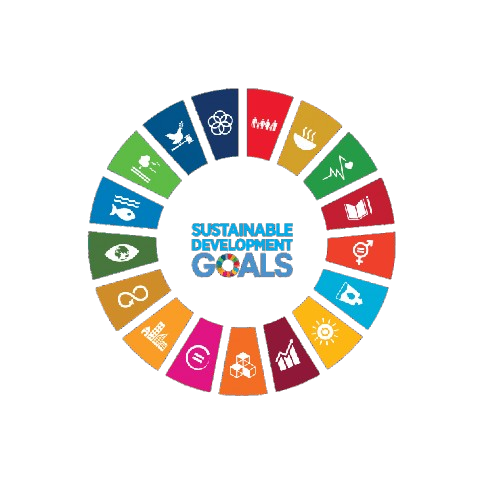
Aligned with UN Sustainable Development Goals 유엔 지속가능발전목표(SDGs)와의 연계
The conference's session tracks effectively support the following SDGs.
본 학술대회의 세션 트랙은 다음의 지속가능발전목표를 효과적으로 지원합니다.



This session will explore the cellular and molecular mechanisms underlying muscle hypertrophy in response to resistance training. Emphasis will be placed on the role of mechanical tension, metabolic stress, and hormonal responses in muscle adaptation.
This track will focus on novel resistance training methods and their impact on performance outcomes. Participants will discuss evidence-based practices and emerging trends in program design for various populations.
This session will delve into the physiological adaptations that occur with resistance training and their implications for athletic performance. Topics will include energy metabolism, muscle fiber recruitment, and recovery strategies.
This track will examine the biomechanical principles that govern effective resistance training. Presentations will cover movement patterns, load distribution, and injury prevention strategies in strength training.
This session will investigate the interplay between endurance training and muscle adaptation, focusing on how concurrent training affects strength and hypertrophy. Discussions will include program design considerations for athletes.
This track will explore the physiological and psychological mechanisms of fatigue during resistance training. Understanding these factors is critical for optimizing training loads and recovery protocols.
This session will analyze the hormonal responses elicited by resistance training and their role in muscle adaptation and recovery. Key hormones such as testosterone, cortisol, and growth hormone will be discussed.
This track will address the importance of injury prevention in resistance training programs. Presentations will focus on risk factors, assessment tools, and effective strategies to minimize injury risk among athletes.
This session will highlight best practices in designing resistance training programs for various populations, including youth, elderly, and individuals with disabilities. Emphasis will be placed on tailoring interventions to meet specific needs.
This track will focus on the importance of recovery in resistance training and its impact on performance and adaptation. Various recovery modalities, including active recovery, nutrition, and sleep, will be examined.
This session will explore the various metrics used to assess performance outcomes in resistance training. Discussions will include strength testing, power output, and the role of technology in performance monitoring.
COPYRIGHT © KSAA. ALL RIGHTS RESERVED 저작권 © KSAA. 모든 권리 보유.