.png)
International Conference on Silk Road Histories and Cultural Exchange (ICSRHCE-27)
Official Invitation Letter Available 공식 초청장 제공
An official invitation letter will be provided upon successful registration for your participation in the conference.
학술대회 참가 등록이 정상적으로 완료되면 공식 초청장이 발급됩니다.
Access to All Conference Sessions 전체 세션 참관
Plenary, keynote and parallel sessions.
전체회의, 기조연설 및 분과 세션.
Networking Opportunities 네트워킹 기회
Connect with fellow researchers.
동료 연구자들과의 교류.
Certificate of Participation 참가 증명서
Digital certificate of participation.
디지털 참가 증명서 발급.
Invitation Letter Support 초청장 지원
Official letter after successful registration.
등록 완료 후 공식 초청장 발급.
Conference Kit / Digital Materials 학술대회 자료 / 디지털 자료
E-proceedings & resource materials.
전자 논문집 및 참고 자료.
Access to Keynote Sessions 기조연설 참관
Learn from leading experts & scholars.
저명한 전문가 및 학자들의 강연.
Conference Session Tracks학술대회 세션 트랙
Aligned with UN Sustainable Development Goals 유엔 지속가능발전목표(SDGs)와의 연계
The conference's session tracks effectively support the following SDGs.
본 학술대회의 세션 트랙은 다음의 지속가능발전목표를 효과적으로 지원합니다.
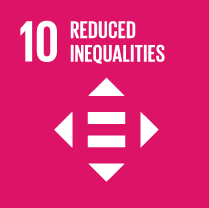
This track explores the multifaceted cultural exchanges that occurred along the Silk Road, highlighting the interactions between diverse civilizations. Papers may examine how trade facilitated the movement of ideas, art, and religious beliefs across regions.
Focusing on the economic dimensions of the Silk Road, this track invites discussions on the trade routes that shaped regional economies and interdependencies. Contributions may analyze the impact of commerce on local cultures and the emergence of transcontinental networks.
This session addresses how historical narratives and collective memories have been constructed around the Silk Road. Participants are encouraged to investigate the role of memory in shaping cultural identities and perceptions of heritage.
This track emphasizes archaeological findings that illuminate the historical significance of Silk Road sites. Papers should focus on the material culture and artifacts that reveal insights into past societies and their interactions.
Exploring the role of religion as a catalyst for intercultural dialogue, this session invites papers that examine the exchange of religious ideas and practices along the Silk Road. Contributions may highlight the syncretism and conflicts that arose from these interactions.
This track focuses on the Maritime Silk Road and its significance in facilitating trade and cultural exchange between Asia and beyond. Papers may explore the maritime routes, key ports, and the cultural impacts of maritime interactions.
This session examines the influences of cross-cultural interactions on art and architecture along the Silk Road. Contributions should analyze how these exchanges manifested in stylistic developments and the fusion of artistic traditions.
Focusing on migration as a key factor in cultural diffusion, this track invites discussions on the movements of peoples along the Silk Road. Papers may explore how migration influenced social structures, cultural practices, and knowledge transfer.
This session investigates the mechanisms of knowledge transfer that occurred along the Silk Road, including the dissemination of scientific, philosophical, and technological ideas. Contributions may highlight the role of scholars and institutions in fostering intellectual exchanges.
This track explores the concept of civilizational dialogue as it pertains to the Silk Road, emphasizing the interconnectedness of global histories. Papers should address how these dialogues shaped the development of civilizations and their legacies.
Focusing on the preservation and interpretation of Silk Road heritage, this session invites discussions on contemporary challenges and methodologies in heritage studies. Contributions may explore the role of heritage in fostering cultural understanding and identity.
COPYRIGHT © KSAA. ALL RIGHTS RESERVED 저작권 © KSAA. 모든 권리 보유.