.png)
International Conference on European Languages, Literature, and Translation Studies (ICELLTS-27)
Official Invitation Letter Available 공식 초청장 제공
An official invitation letter will be provided upon successful registration for your participation in the conference.
학술대회 참가 등록이 정상적으로 완료되면 공식 초청장이 발급됩니다.
Access to All Conference Sessions 전체 세션 참관
Plenary, keynote and parallel sessions.
전체회의, 기조연설 및 분과 세션.
Networking Opportunities 네트워킹 기회
Connect with fellow researchers.
동료 연구자들과의 교류.
Certificate of Participation 참가 증명서
Digital certificate of participation.
디지털 참가 증명서 발급.
Invitation Letter Support 초청장 지원
Official letter after successful registration.
등록 완료 후 공식 초청장 발급.
Conference Kit / Digital Materials 학술대회 자료 / 디지털 자료
E-proceedings & resource materials.
전자 논문집 및 참고 자료.
Access to Keynote Sessions 기조연설 참관
Learn from leading experts & scholars.
저명한 전문가 및 학자들의 강연.
Conference Session Tracks학술대회 세션 트랙
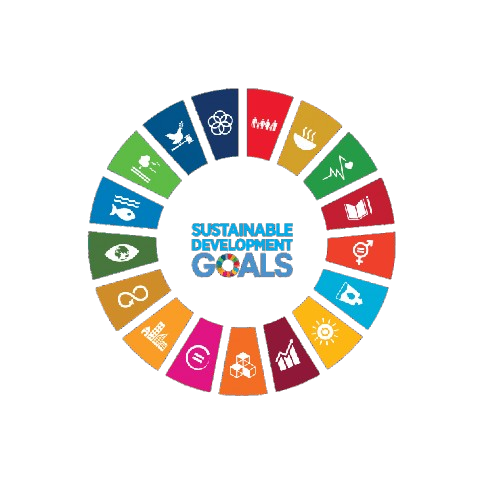
Aligned with UN Sustainable Development Goals 유엔 지속가능발전목표(SDGs)와의 연계
The conference's session tracks effectively support the following SDGs.
본 학술대회의 세션 트랙은 다음의 지속가능발전목표를 효과적으로 지원합니다.

This track focuses on the rich tapestry of languages spoken across Europe, examining how linguistic diversity shapes cultural identity. Papers may address issues of language preservation, bilingualism, and the impact of language policy on regional communities.
This session invites discussions on innovative narrative strategies employed by European authors throughout history. Participants are encouraged to analyze how these techniques reflect cultural contexts and influence reader engagement.
This track examines the complexities of translating cultural narratives within European contexts. Contributions should explore the challenges and strategies involved in conveying cultural nuances and maintaining fidelity to original texts.
This session aims to foster comparative analyses of literary works from different European traditions. Papers should highlight how cross-cultural dialogues enrich our understanding of themes, styles, and historical contexts.
This track delves into the significance of philological approaches in the study of modern languages and literature. Participants are invited to discuss how historical linguistic analysis informs contemporary literary criticism and translation practices.
This session explores the dynamics of cultural exchange in shaping identities across Europe. Papers may investigate how literature and language reflect and influence identity formation in diverse communities.
This track invites scholars to examine the poetics inherent in European storytelling traditions. Contributions should analyze how narrative forms and structures convey cultural values and societal norms.
This session addresses the implications of language policy on literary production and reception in Europe. Papers should explore how governmental and institutional language policies affect authors, translators, and readers.
This track focuses on the application of translation theory to European texts and contexts. Participants are encouraged to engage with theoretical frameworks that illuminate the intricacies of translation as a cultural practice.
This session aims to investigate the interplay between literary criticism and the cultural contexts of European literature. Papers should consider how cultural, historical, and social factors shape critical interpretations and evaluations.
This track explores the enduring influence of classical texts on contemporary European literature and thought. Contributions should analyze how these texts are reinterpreted and adapted in modern narratives and cultural discourses.
COPYRIGHT © KSAA. ALL RIGHTS RESERVED 저작권 © KSAA. 모든 권리 보유.