.png)
International Conference on Rapid Methods for Assessing Food Safety and Quality (ICRMAFSQ-27)
Official Invitation Letter Available 공식 초청장 제공
An official invitation letter will be provided upon successful registration for your participation in the conference.
학술대회 참가 등록이 정상적으로 완료되면 공식 초청장이 발급됩니다.
Access to All Conference Sessions 전체 세션 참관
Plenary, keynote and parallel sessions.
전체회의, 기조연설 및 분과 세션.
Networking Opportunities 네트워킹 기회
Connect with fellow researchers.
동료 연구자들과의 교류.
Certificate of Participation 참가 증명서
Digital certificate of participation.
디지털 참가 증명서 발급.
Invitation Letter Support 초청장 지원
Official letter after successful registration.
등록 완료 후 공식 초청장 발급.
Conference Kit / Digital Materials 학술대회 자료 / 디지털 자료
E-proceedings & resource materials.
전자 논문집 및 참고 자료.
Access to Keynote Sessions 기조연설 참관
Learn from leading experts & scholars.
저명한 전문가 및 학자들의 강연.
Conference Session Tracks학술대회 세션 트랙
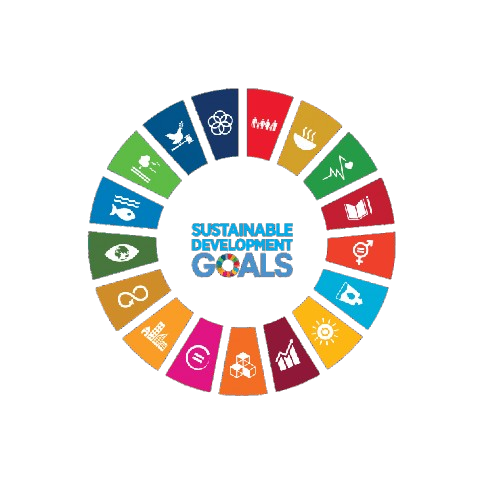
Aligned with UN Sustainable Development Goals 유엔 지속가능발전목표(SDGs)와의 연계
The conference's session tracks effectively support the following SDGs.
본 학술대회의 세션 트랙은 다음의 지속가능발전목표를 효과적으로 지원합니다.
This track focuses on the latest methodologies for rapid assessment of food safety, emphasizing innovative techniques and technologies. Participants will explore case studies demonstrating effective applications in various food sectors.
This session addresses the critical role of microbiology in food safety, highlighting emerging pathogens and their impact on public health. Discussions will include rapid detection methods and risk assessment strategies.
This track examines the physicochemical properties and sensory characteristics of food, essential for quality assurance. Researchers will present findings on how these factors influence consumer acceptance and safety.
This session explores the intersection of food waste management and food safety, highlighting innovative strategies to reduce waste while ensuring safety. Topics will include the implications of waste on foodborne diseases and environmental sustainability.
This track focuses on the development and application of analytical methods for assessing food quality. Participants will discuss advancements in technologies that enhance the reliability and speed of food analysis.
This session emphasizes the importance of nutrition and dietetics in promoting food safety and public health. Presentations will cover dietary assessments and their implications for food safety practices.
This track investigates the influence of environmental conditions on food safety, including production processes, storage, and distribution. Researchers will present data on how these factors contribute to foodborne illness outbreaks.
This session highlights cutting-edge rapid detection methods for foodborne pathogens, crucial for timely intervention. Participants will share insights on the effectiveness and efficiency of these methods in various food matrices.
This track discusses the regulatory landscape surrounding food safety and quality, focusing on standards that govern food production and distribution. Experts will analyze the implications of these regulations on industry practices.
This session explores how consumer perceptions influence food safety practices and policies. Presentations will delve into the communication strategies that can enhance public understanding of food safety issues.
This track examines the role of engineering and technology in enhancing food safety management systems. Discussions will include the integration of digital tools and data analytics in monitoring and improving food safety protocols.
COPYRIGHT © KSAA. ALL RIGHTS RESERVED 저작권 © KSAA. 모든 권리 보유.