.png)
International Conference on Civil Engineering, Architecture and Building Material (ICCEABM-27)
Official Invitation Letter Available 공식 초청장 제공
An official invitation letter will be provided upon successful registration for your participation in the conference.
학술대회 참가 등록이 정상적으로 완료되면 공식 초청장이 발급됩니다.
Access to All Conference Sessions 전체 세션 참관
Plenary, keynote and parallel sessions.
전체회의, 기조연설 및 분과 세션.
Networking Opportunities 네트워킹 기회
Connect with fellow researchers.
동료 연구자들과의 교류.
Certificate of Participation 참가 증명서
Digital certificate of participation.
디지털 참가 증명서 발급.
Invitation Letter Support 초청장 지원
Official letter after successful registration.
등록 완료 후 공식 초청장 발급.
Conference Kit / Digital Materials 학술대회 자료 / 디지털 자료
E-proceedings & resource materials.
전자 논문집 및 참고 자료.
Access to Keynote Sessions 기조연설 참관
Learn from leading experts & scholars.
저명한 전문가 및 학자들의 강연.
Conference Session Tracks학술대회 세션 트랙
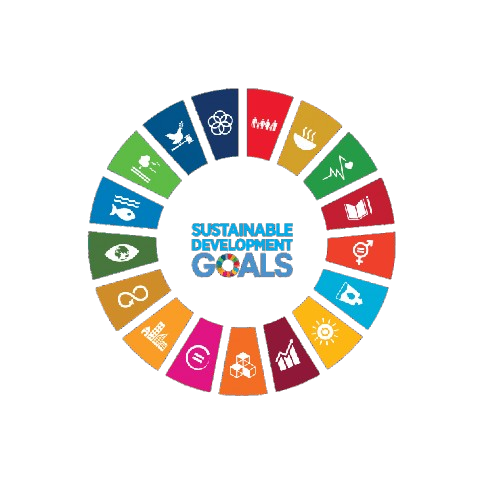
Aligned with UN Sustainable Development Goals 유엔 지속가능발전목표(SDGs)와의 연계
The conference's session tracks effectively support the following SDGs.
본 학술대회의 세션 트랙은 다음의 지속가능발전목표를 효과적으로 지원합니다.

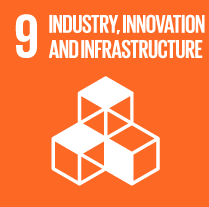
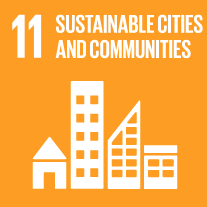

This track focuses on innovative approaches and technologies in structural engineering, emphasizing design, analysis, and performance. Papers addressing the latest methodologies for structural monitoring and control will be highlighted.
This session explores the development and application of sustainable materials in construction and civil engineering. Emphasis will be placed on the durability, reliability, and environmental impact of these materials.
This track invites papers on cutting-edge research and practices in geotechnical engineering. Topics may include soil behavior, foundation design, and ground improvement techniques.
This session will cover advancements in seismic engineering, focusing on the design and retrofitting of structures to enhance resilience against earthquakes. Contributions on risk assessment and mitigation strategies are particularly welcome.
This track addresses the challenges and innovations in hydraulic engineering, including water supply, drainage systems, and flood management. Papers discussing integrated water resources management are encouraged.
This session focuses on the latest developments in coastal engineering, including erosion control, habitat restoration, and the impact of climate change. Research on sustainable practices for coastal infrastructure will be emphasized.
This track explores advancements in construction technology, including automation, digitalization, and project management techniques. Innovative practices that enhance efficiency and safety in construction projects will be discussed.
This session invites contributions on strategies for disaster prevention and mitigation in civil engineering. Topics may include risk assessment, emergency response planning, and resilient infrastructure design.
This track focuses on innovative architectural designs that integrate functionality, sustainability, and aesthetics. Papers addressing the role of technology in enhancing architectural practices are encouraged.
This session explores the application of Geographic Information Systems (GIS) in civil engineering and architecture. Contributions on spatial analysis, mapping techniques, and decision support systems will be highlighted.
This track covers the application of computational mechanics in the analysis and design of structures. Papers discussing numerical methods, simulation techniques, and their practical applications in engineering are welcome.
COPYRIGHT © KSAA. ALL RIGHTS RESERVED 저작권 © KSAA. 모든 권리 보유.