.png)
International Conference on Nutrition and Chronic Disease Management (ICNCDM-27)
Official Invitation Letter Available 공식 초청장 제공
An official invitation letter will be provided upon successful registration for your participation in the conference.
학술대회 참가 등록이 정상적으로 완료되면 공식 초청장이 발급됩니다.
Access to All Conference Sessions 전체 세션 참관
Plenary, keynote and parallel sessions.
전체회의, 기조연설 및 분과 세션.
Networking Opportunities 네트워킹 기회
Connect with fellow researchers.
동료 연구자들과의 교류.
Certificate of Participation 참가 증명서
Digital certificate of participation.
디지털 참가 증명서 발급.
Invitation Letter Support 초청장 지원
Official letter after successful registration.
등록 완료 후 공식 초청장 발급.
Conference Kit / Digital Materials 학술대회 자료 / 디지털 자료
E-proceedings & resource materials.
전자 논문집 및 참고 자료.
Access to Keynote Sessions 기조연설 참관
Learn from leading experts & scholars.
저명한 전문가 및 학자들의 강연.
Conference Session Tracks학술대회 세션 트랙
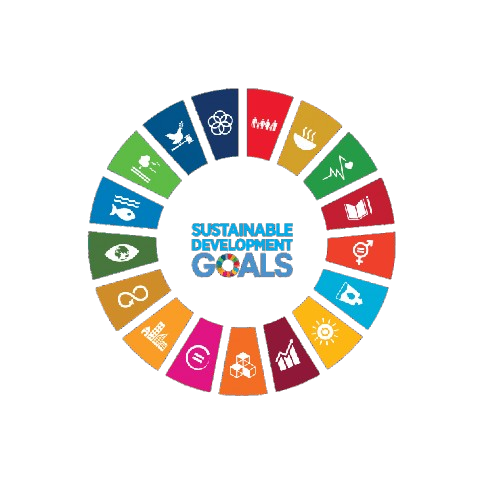
Aligned with UN Sustainable Development Goals 유엔 지속가능발전목표(SDGs)와의 연계
The conference's session tracks effectively support the following SDGs.
본 학술대회의 세션 트랙은 다음의 지속가능발전목표를 효과적으로 지원합니다.
This track will explore novel methodologies and technologies for assessing nutritional status in various populations. Emphasis will be placed on the integration of clinical and community-based approaches to enhance dietary evaluations.
This session focuses on the role of targeted dietary interventions in the management of chronic diseases such as diabetes, hypertension, and obesity. Participants will discuss evidence-based strategies and their clinical implications.
This track will examine public health initiatives aimed at improving nutritional outcomes in diverse communities. Discussions will include policy development, community engagement, and the impact of socioeconomic factors on nutrition.
This session will highlight the importance of clinical nutrition in the prevention of chronic diseases. Experts will present research findings that link dietary patterns to health outcomes and disease risk reduction.
This track will delve into the application of nutritional therapy as a complementary approach in the treatment of chronic illnesses. Case studies and clinical trials will be discussed to illustrate effective therapeutic diets.
This session will feature cutting-edge research in the field of nutrition science, focusing on the latest findings and their implications for chronic disease management. Participants will engage in discussions about future research directions.
This track will investigate the relationship between dietary patterns and health outcomes in various populations. Emphasis will be placed on the role of traditional diets and modern eating habits in chronic disease prevalence.
This session will explore effective strategies for nutritional education and behavior change interventions. The focus will be on empowering individuals and communities to adopt healthier dietary practices.
This track will examine the impact of micronutrient deficiencies on chronic disease development and management. Research findings will be presented to highlight the significance of micronutrient supplementation.
This session will address the critical intersection of food security and nutritional health in the context of chronic disease. Discussions will focus on strategies to improve access to nutritious foods in vulnerable populations.
This track will explore integrative approaches that combine conventional and alternative nutritional therapies for chronic disease management. Participants will discuss the efficacy and safety of various integrative practices.
COPYRIGHT © KSAA. ALL RIGHTS RESERVED 저작권 © KSAA. 모든 권리 보유.